The Counter
Selling well, written down
Store design, upselling that isn't pushy, inventory that adds up, and keeping a team motivated. Written for whoever is standing at the counter — and whoever owns it.
Retail Chargeback Response Evidence: Build the File First
A deadline-first workflow for retailers to preserve transaction records, match evidence to the allegation, submit a factual chargeback response, and retain proof.
Read itRetail Product Recall Checklist: Stop the Sale First
A practical recall response for small retailers: stop sales, match affected units, quarantine every location, contact buyers, follow the remedy, and close the count.
Retail Sale Price Advertising: Make the Reference Price Real
A practical workflow for supporting former prices, writing promotion terms, testing the register, and preventing misleading retail sale claims.
Retail Opening Checklist: Open the Floor First
A practical retail opening checklist for safety, register readiness, floor priorities, team handoffs, and exceptions before the first customer arrives.
Retail Employee Break Schedule: Cover the Floor
A practical retail break schedule that connects state rules, paid time, duty-free meals, floor coverage, actual times, and exception review.
Retail Closing Checklist: Close the Numbers First
A retail closing checklist that separates the sales close, blind cash count, exception log, deposit handoff, and physical lockup.
Retail Break-Even Point: Turn It Into a Daily Target
A practical worksheet for turning fixed costs, product margin, selling days, and average ticket into a daily break-even sales target your team can use.
Flat Rate vs. Interchange Plus: Compare Your Real Cost
A statement-first worksheet for comparing flat-rate and interchange-plus processing without confusing markup, card mix, or total cost.
Retail Purchase Order Process: Close the Receiving Gap
A practical purchase-order workflow for retail teams, covering approval, exact line items, physical receiving, partial shipments, invoice matching, and closure.
Retail Stock Transfers: Treat In-Transit as a Third Location
A practical stock-transfer workflow for multi-location retailers, from request and dispatch through receiving, exception handling, and daily reconciliation.
How to Handle a Customer Complaint in Retail: First Moves
A complaint handled well can leave a customer more loyal than a visit with no problem at all — but only if the fix is specific, fast, and doesn't feel grudging.
How to Handle Multiple Customers at Once in Retail
A triage script for the ten seconds a second customer shows up mid-sale — for sellers, shift managers, and owners deciding how thin a floor can run.
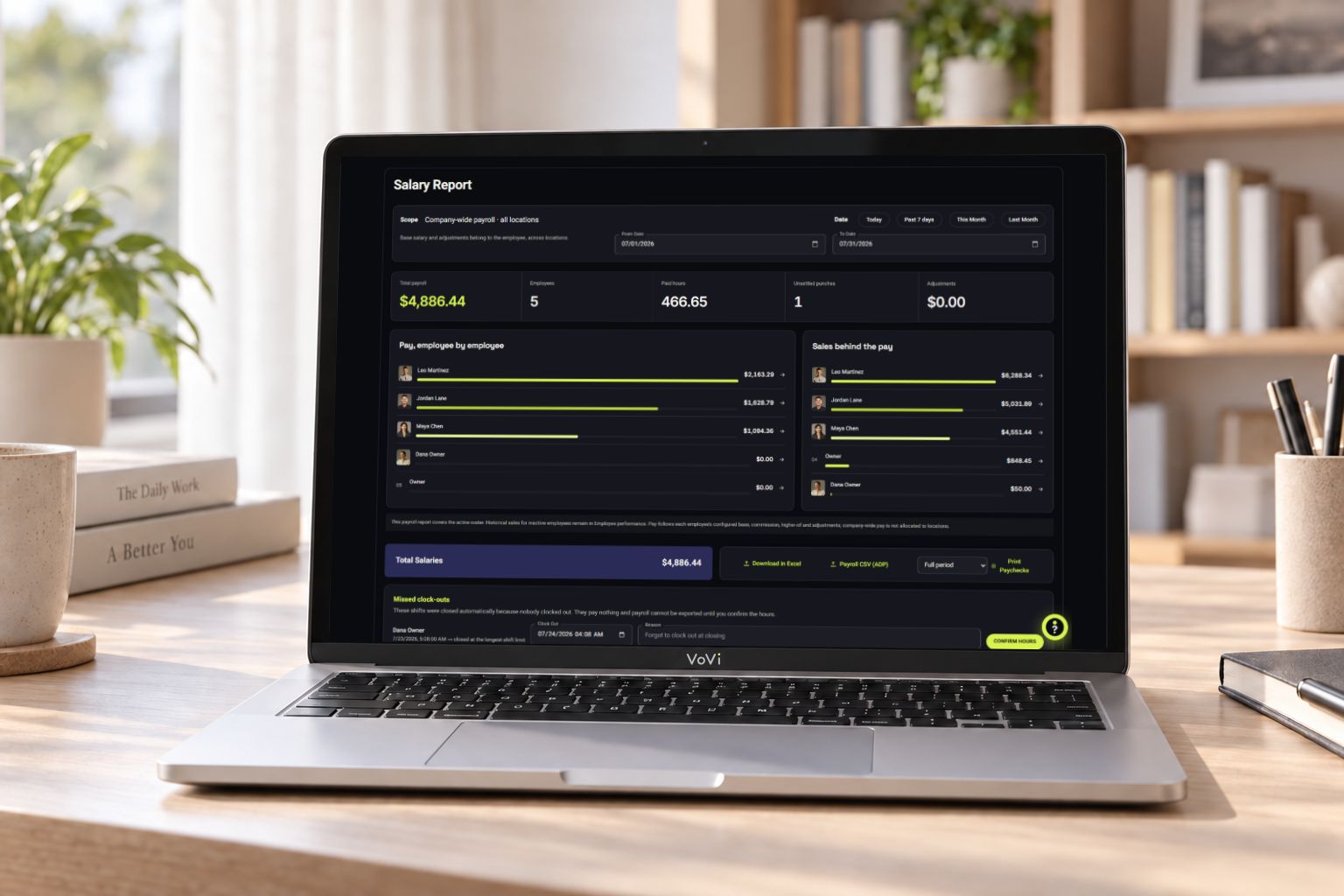
How to Reduce Employee Turnover in Retail: Fix the Schedule
Owners raise wages to stop the exodus and watch good people leave anyway. The bigger lever is predictable hours — a rest window, real notice, and days off that stick.
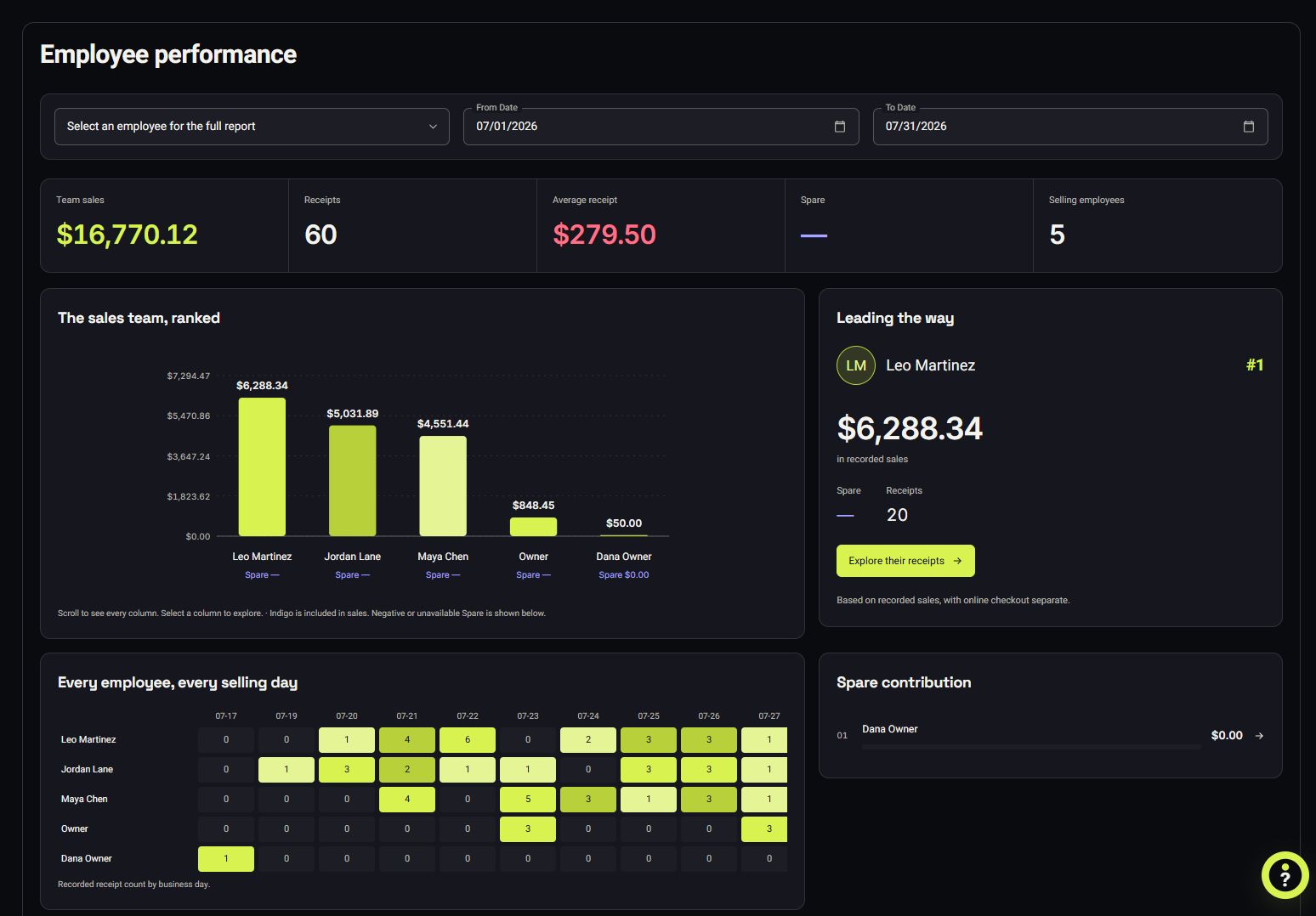
Retail Pre-Shift Huddle: Build It Backward From One Number
Most pre-shift meetings are a checklist nobody remembers by Thursday. The ones that change a shift start with one number pulled from yesterday's sales.
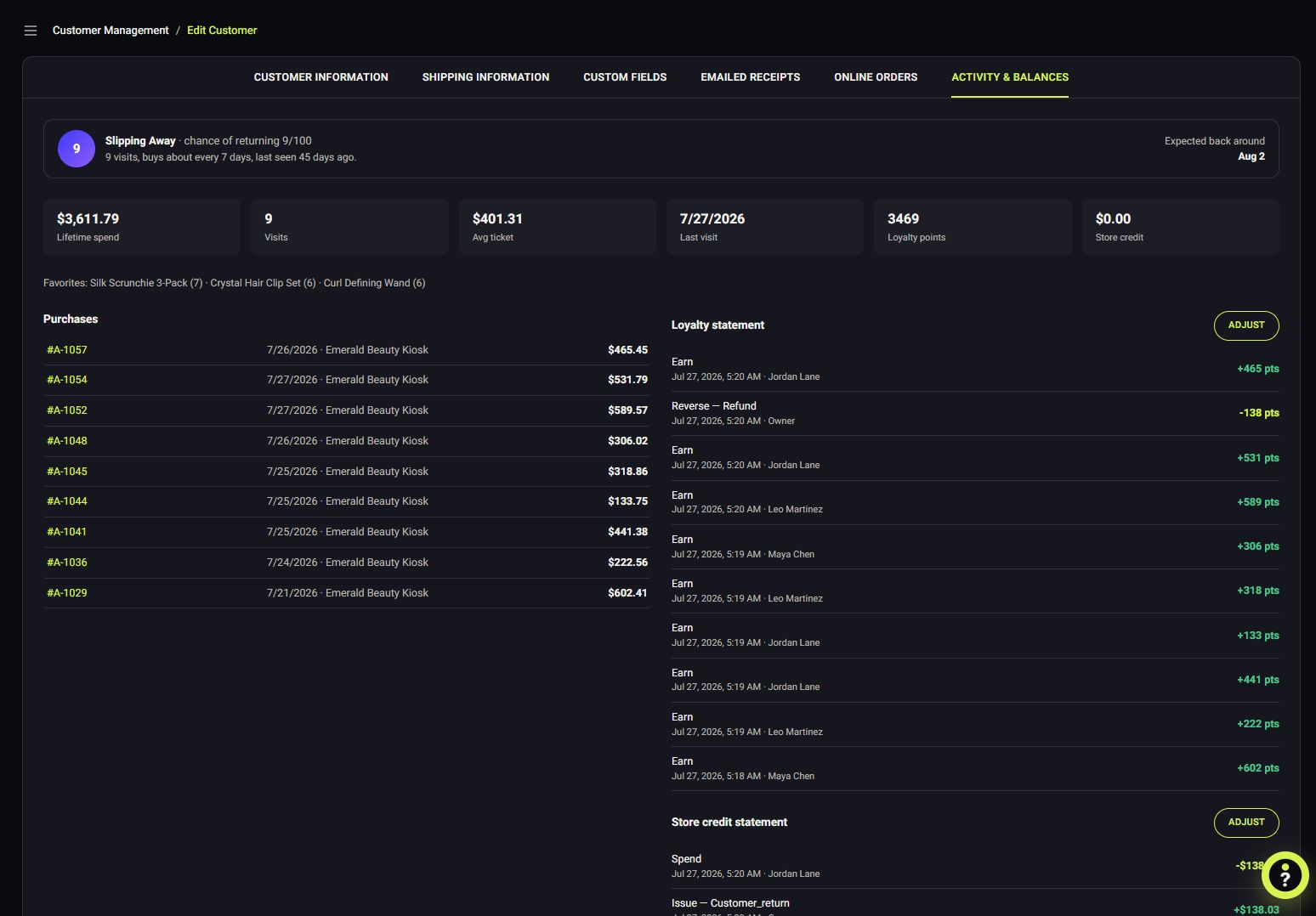
The Retail Referral Program Most Shops Never Build
The receipt line rarely works. The ask that does takes five seconds and one specific customer.
Retail Window Display: Built for Three Seconds
A window has one job: turn a walk-past into a walk-in. That is a ratio you can count with a phone timer, and most of what sits in the glass was arranged for the wrong viewer.
Holiday Retail Planning: Find Your Halfway Date
Pull last year's Q4 sales, find the date you crossed 50% of revenue, and build your buying and staffing around that date instead of Black Friday.
Retail Shrinkage: Split the Number to Fix It
Your shrink number hides four separate problems. A weekly count of your highest-value SKUs finds which one is yours before the trail goes cold.
Out of Stock: The Sale Was Already Decided
The customer already decided to buy. A missing size doesn't have to end the sale: it just changes what you do in the next ten seconds.
The Retail Markup That's Losing You Money
A fat retail markup and a healthy margin are not the same number, and mixing them up is how a shop's best-looking item ends up earning the least from its shelf.
How to Train a New Retail Employee (Not with a Binder)
Most shops train the register first because it has a manual, and let selling happen by watching. That order is backwards, and the fix starts with the new hire's first shift.
Retail Store Lighting: Re-Aim, Don't Add More
Most small shops light the room evenly, not the merchandise, so nothing draws the eye. A free ratio fix, accent light against ambient, beats another fixture order.
Win Back Lapsed Customers: 90 Days Is a Made-Up Number
The 90-day lapse rule is somebody else's default setting. Your real lapse window is a multiple of your own repurchase interval, and it changes by category.
The Retail Checkout Line Loses Baskets, Not Minutes
Nobody logs the shopper who puts a full basket down and leaves. Here's how to measure that loss and fix the two different problems — joining and quitting the line — that cause it.
Open-to-Buy: How Much You're Actually Allowed to Spend
Reordering is a per-item question. Open-to-buy is the total-dollars question, and it's usually set by what didn't sell last month, not what you want to buy this one.
Discount Requests in Retail: Give a Floor, Not a No
A floor sets the lowest price a seller can take, and a menu gives them something to trade instead of cash off the tag. Together they beat both "never discount" and "let me get my manager."
Retail Staff Scheduling: Your Busiest Hour Lies to You
Most schedules come from store hours and gut feel. Build yours from a half-hour count of your own sales instead, and staff the transaction peak and the revenue peak differently.
Your Retail Store Layout Has a Dead Zone at the Door
The first several feet past your threshold are for adjusting, not shopping. Put your best display there and it disappears — here's where it belongs instead, and how to prove it.
Retail Gift Card Program: It's a Loan, Not a Sale
A gift card sale isn't revenue, it's a liability until redeemed. Here's the accounting, the law, and the till habits that keep your numbers honest.
Reorder Point Formula: Your Supplier Is the Variable
The reorder point formula is three numbers, and two of them you can measure yourself. The third one most shops copy off a supplier's website — and that's the one that empties the shelf.
How to Approach Customers in Retail: The Second Pass
The greeting isn't where the sale gets lost. It's the second approach, sixty to ninety seconds later, that almost nobody trains for.
Your Retail Return Policy Tracks the Wrong Number
Return rate tells you how often things come back. It never tells you how many of those dollars stay in the store, and almost nobody tracks that number.
Cash Drawer Shortage: It's Almost Never Theft
A short till gets treated like a crime scene. It is usually a miskeyed card sale, and the drawer that balances to the penny every night is the one to worry about.
How to Clear Dead Stock: One Cut, Not Eleven Months
The stair-step markdown is the most expensive habit in small retail. Once an item is dead, the price is whatever a stranger will pay today — so cut once, and cut deep.
Retail Commission Structure: Stop Paying for Saturday
Flat commission on gross sales pays your team for the shift they were handed, not the selling they did. A better plan, and the five ways sellers will game it.
Mall Kiosk Layout: You Have No Front Door
A store gets a threshold, a door and a shopper who already committed. A cart gets one pass at walking pace. Arrange it for the walk-by.
Your Retail Loyalty Program Rewards the Wrong Visit
Punch cards pay out on a visit you were always going to get. Build the program backwards from the second visit instead, because it is the only one worth paying for.

How to Upsell at the Register Before the Card Comes Out
“Anything else?” is a closing question aimed at somebody who already closed. The fix is not a better script, it is making one specific offer about ten seconds earlier.
Everything here works better on a POS that doesn't charge rent.
VoVi is $0/month — every feature, every location. We earn a flat 2.79% on Visa, Mastercard & Discover (American Express 3.5%) only when you take a card — or we match the rate you already pay.
Get VoVi free